

February sits at the height of the Australian growing season. Markets and supermarkets are filled with colourful fruit, crisp vegetables and peak-flavour produce, making it one of the best months to eat seasonally.
Choosing fruit and vegetables that are in season isn’t just about freshness, it’s about better flavour, better value, and better nutrition. Produce harvested at the right time tends to be more nutrient-dense, lasts longer, and requires less processing or transport.
If you’re planning meals, refreshing your routine, or simply want produce that tastes the way it should, February is a great month to lean into what’s naturally abundant.
Table of Contents
Why seasonal produce matters
Seasonal produce is picked closer to ripeness, which means:
-
Better flavour and texture
-
Higher vitamin and antioxidant content
-
Lower cost due to abundance
-
Less reliance on imports or long storage
From a practical perspective, seasonal fruit and vegetables also make meal planning easier. When ingredients taste good on their own, meals require less added sugar, salt or heavy sauces to feel satisfying.
Fruit in season in Australia in February
February is one of the strongest months for fruit variety. Many summer fruits are at their peak, offering natural sweetness, hydration and vibrant flavour.
Stone fruit
Peaches, nectarines, plums and cherries are still widely available in February. These fruits are naturally juicy and sweet, making them ideal for both snacks and desserts. They’re rich in vitamin C, antioxidants and fibre, supporting digestion and skin health.
Stone fruit works well in:
-
Breakfast bowls and yoghurt
-
Salads with protein and greens
-
Simple desserts where the fruit does the work
Tropical fruits
Mangoes, pineapples, passionfruit and bananas are all in strong supply. These fruits provide natural carbohydrates for energy and pair well with both sweet and savoury dishes.
Mango and pineapple are particularly versatile, working just as well in:
-
Smoothies and yoghurt bowls
-
Fresh salsas
-
Salads alongside protein
Berries
Strawberries, blueberries and raspberries remain readily available in February. Berries are lower in sugar than many fruits and high in antioxidants, making them popular for everyday use.
They’re ideal for:
-
Protein desserts
-
Breakfast bowls
-
Light snacks when something sweet is needed
Melons
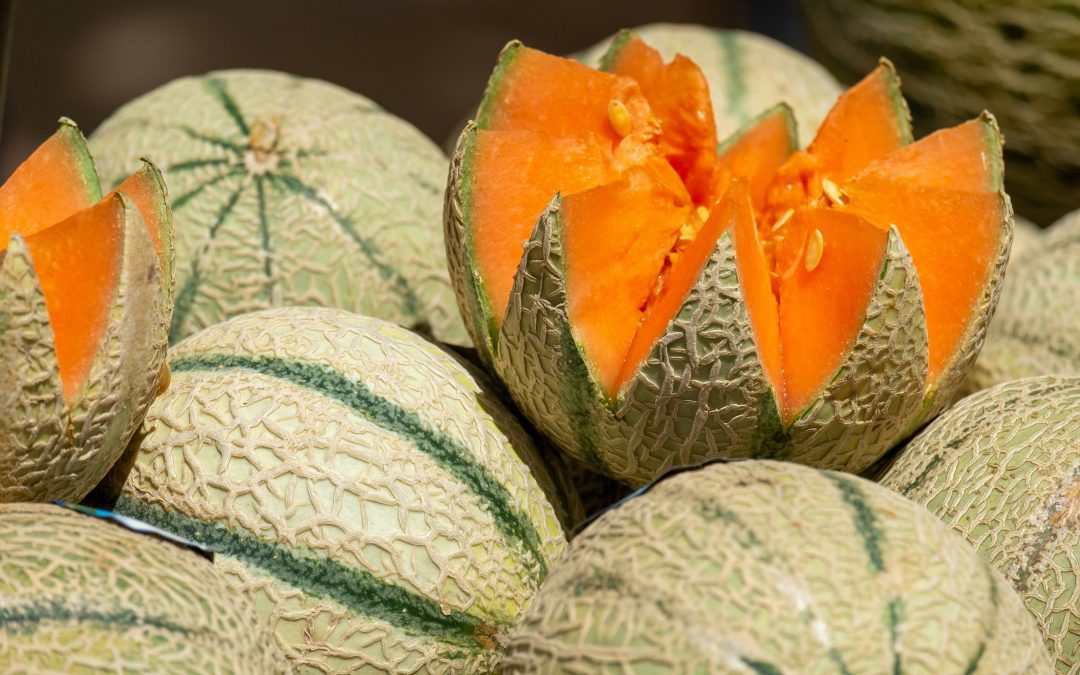
Watermelon, rockmelon and honeydew are at their best in February. High water content makes them especially useful for hydration during warmer weather, while their mild sweetness pairs well with both sweet and savoury flavours.
Vegetables in season in Australia in February
February vegetables tend to be fresh, crisp and vibrant, lending themselves to salads, lighter meals and quick cooking methods.
Leafy greens
Lettuce, rocket, spinach and mixed salad greens are widely available. These vegetables are easy to incorporate into meals and provide fibre, iron and folate.
Leafy greens work best when:
-
Used fresh rather than overcooked
-
Paired with protein and healthy fats
-
Added at the end of cooking to retain texture
Tomatoes
Tomatoes are one of the standout vegetables in February. They’re naturally sweet, juicy and full of flavour, making them ideal for salads, sauces and simple meals where the ingredient can shine.
Capsicum and zucchini
Capsicum and zucchini are in strong supply and easy to use across a wide range of dishes. Capsicum adds sweetness and crunch, while zucchini provides bulk and moisture without heaviness.
Both are well suited to:
-
Stir fries
-
Roasted vegetable trays
-
Pasta dishes and salads
Corn
Fresh corn is abundant in February and brings natural sweetness and texture to meals. It’s a great addition to salads, fritters and side dishes, and pairs particularly well with protein-rich meals.
Cucumbers and eggplant
Cucumbers are crisp and refreshing, ideal for salads and cold dishes. Eggplant is also in season, offering a more substantial vegetable option that works well grilled, roasted or pan-fried.
How to use February produce in everyday meals
Seasonal eating doesn’t require a complete overhaul of your diet. Small swaps can make a big difference:
-
Choose fruit that’s naturally sweet instead of relying on desserts
-
Build meals around vegetables that are in abundance
-
Keep recipes simple so produce flavour comes through
February produce works particularly well in:
-
Salads with protein
-
Bowls and light dinners
-
Balanced desserts using fruit rather than added sugar
Frequently Asked Questions
Is seasonal produce always healthier?
Generally, yes. Seasonal produce is harvested closer to ripeness, which often means higher nutrient content and better flavour.
Do seasons vary across Australia?
Yes. Availability can vary slightly by region, but February remains a strong month for summer fruit and vegetables nationwide.
Is seasonal produce more affordable?
Usually. Abundance often leads to lower prices and better quality.
Eating with the season, without overthinking it
February offers one of the best selections of fruit and vegetables in Australia. By leaning into what’s in season, you naturally get better flavour, better value and meals that feel lighter and more enjoyable.
Whether you’re building salads, planning dinners or looking for smarter dessert options, seasonal produce makes everyday eating simpler — and more satisfying.