

Protein plays a crucial role in weight loss, helping to support muscle maintenance, reduce hunger and improve overall body composition. But many women are unsure exactly how much protein they should be eating each day to see results.
In this guide, we’ll break down how much protein women need for weight loss, why protein matters, and how to easily include more high-protein foods in your daily meals.
Table of Contents
Why Protein Is Important for Weight Loss
Protein is one of the most important nutrients when it comes to losing weight and maintaining lean muscle.
When you eat enough protein, it can help:
Increase feelings of fullness
Protein is more satisfying than carbohydrates or fats, which can help reduce overeating and snacking.
Maintain muscle while losing fat
When you lose weight, your body can lose both fat and muscle. Protein helps protect lean muscle mass so that more of the weight you lose comes from fat.
Boost metabolism
Protein has a higher thermic effect, meaning your body burns more calories digesting it compared to other macronutrients.
Support body composition
Higher protein diets have been linked to improved fat loss and better muscle preservation.
How Much Protein Do Women Need Per Day?
The exact amount of protein women need can vary depending on body weight, activity level and health goals.
However, general recommendations suggest:
For general health:
Around 0.8 grams of protein per kilogram of body weight per day.
For weight loss:
Around 1.2–1.6 grams of protein per kilogram of body weight per day.
This higher intake helps support fat loss while preserving muscle.
Example Protein Intake for Women
Here is a simple guide based on body weight:
| Body Weight | Recommended Protein (Weight Loss) |
|---|---|
| 60 kg | 72–96 g protein per day |
| 70 kg | 84–112 g protein per day |
| 80 kg | 96–128 g protein per day |
| 90 kg | 108–144 g protein per day |
Rather than trying to eat all your protein in one meal, it’s best to spread it evenly throughout the day.
For example:
-
Breakfast: 25–30 g
-
Lunch: 25–30 g
-
Dinner: 25–30 g
-
Snacks: 10–20 g
Best High Protein Foods to Include in Your Diet
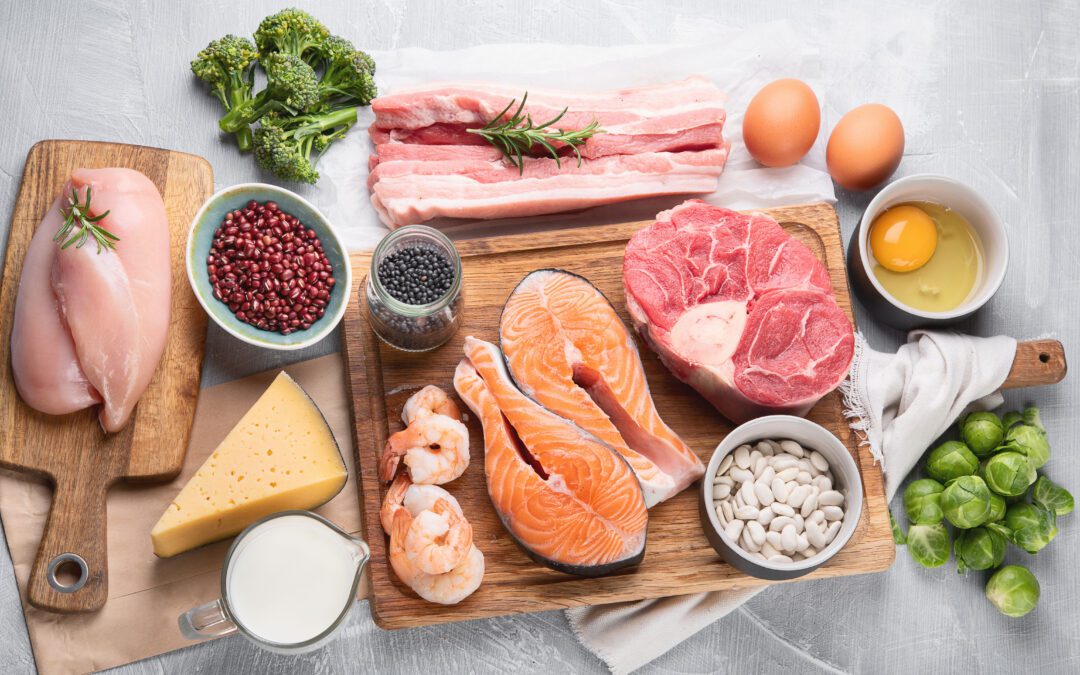
Including a variety of high protein foods can help you reach your daily targets more easily.
Some excellent options include:
Lean meats
-
Chicken breast
-
Turkey
-
Lean beef
Fish and seafood
-
Salmon
-
Tuna
-
Prawns
Eggs and dairy
-
Eggs
-
Greek yoghurt
-
Cottage cheese
Plant-based proteins
-
Lentils
-
Chickpeas
-
Tofu
-
Edamame
Protein supplements
Protein powders can also be a convenient way to increase protein intake, especially in smoothies, oats or baking.
Easy Ways to Increase Your Daily Protein Intake
If you’re struggling to reach your protein target, small adjustments can make a big difference.
Try these simple tips:
Start your day with a high-protein breakfast
Meals like eggs, yoghurt bowls or protein smoothies can help set the tone for the day.
Add protein to every meal
Building meals around a protein source makes it easier to reach your goals.
Choose high protein snacks
Greek yoghurt, protein smoothies or boiled eggs are great options between meals.
Use protein in recipes
Adding protein powder to pancakes, smoothies or baking can boost protein intake without much effort.
Do You Need Protein Supplements?
Protein supplements are not essential, but they can be helpful for convenience.
They may be useful if you:
-
Struggle to reach your protein goals with food alone
-
Need a quick post-workout option
-
Want an easy breakfast or snack
However, whole foods should still form the foundation of your diet.
Frequently Asked Questions
Can eating too much protein stop weight loss?
For most people, higher protein diets actually support weight loss by improving fullness and helping maintain muscle mass.
However, total calorie intake still matters.
Is protein important if you’re not exercising?
Yes. Protein supports muscle health, metabolism and appetite regulation, even if you’re not training regularly.
What is the best time to eat protein?
Protein intake should ideally be spread across meals throughout the day, rather than consumed all at once.
The Bottom Line
Protein plays an essential role in weight loss by helping reduce hunger, maintain muscle and support a healthy metabolism.
For most women aiming to lose weight, a daily intake of around 1.2–1.6 grams of protein per kilogram of body weight can be a helpful guideline.
By including a protein source at each meal and snack, reaching this target can become much easier.
Looking for more high-protein recipes?
The equ app gives you access to hundreds of balanced recipes, meal plans and tools designed to support sustainable weight loss.
Explore meals that make it easier to stay consistent and reach your goals.